
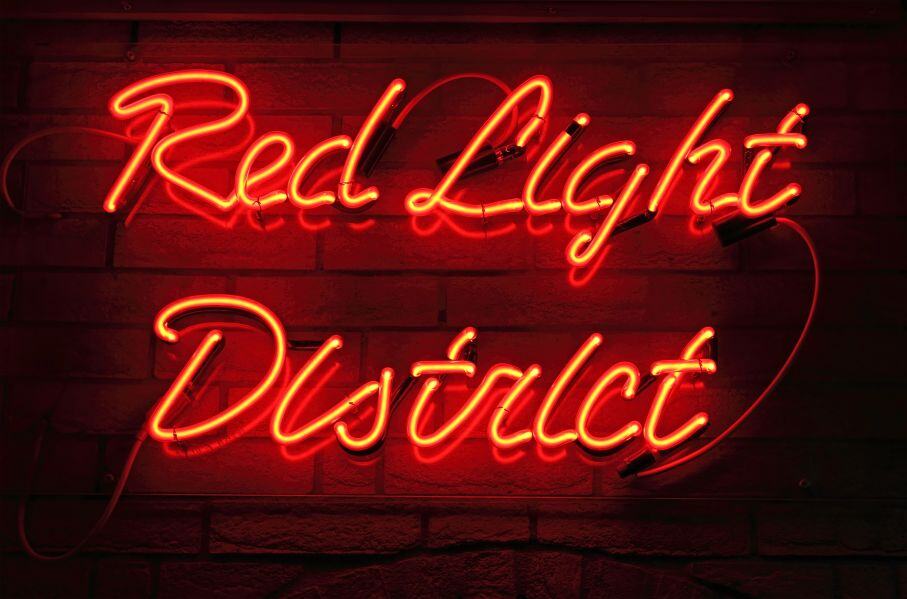
Step back in time and discover the storied past of America's most famous historical brothels, known for their colorful characters, influential madams, and deep ties to frontier expansion, mining booms, railroad growth, and urban nightlife. From Wild West boomtowns to sophisticated city districts, these establishments were often woven into the economic and cultural fabric of their communities.
Throughout the 1800s and early 1900s, brothels operated in nearly every major American city and frontier settlement. In gold rush towns such as Deadwood and Dawson City, they stood alongside saloons and gambling halls as central gathering places. In rapidly expanding cities like Chicago, Denver, and New Orleans, upscale bordellos reflected Gilded Age wealth and social complexity. Some were modest cribs in rough mining camps, while others were elaborate mansions with chandeliers, imported furnishings, and strict codes of conduct.
Many of these historic brothels were managed by powerful and surprisingly influential women who operated as business owners, property investors, and community figures. Madams such as Ada and Minna Everleigh, Lulu White, Belle Brezing, and Lou Graham built reputations that extended far beyond their red-light districts. Their establishments often mirrored the politics, economics, and social tensions of their era.
While most of these brothels no longer operate, their buildings, stories, and legends remain preserved through museums, historic districts, restored theaters, and cultural landmarks. Today, travelers can walk the same streets where miners, railroad workers, musicians, politicians, and outlaws once gathered.
This guide explores 20 of the best historical brothels in the USA, highlighting their origins, cultural impact, and the destinations where their legacies still shape local history. Whether you are interested in Wild West lore, Gilded Age elegance, gold rush boomtowns, or early jazz culture, these historic sites offer a fascinating and often overlooked chapter of American travel history.
1. Mustang Ranch, Reno, NV
The Story Behind America's First Licensed Brothel
Located just outside Reno in Storey County, this area is home to several of Nevada's licensed brothels. Mustang Ranch holds a unique place in American history as the first licensed brothel in the United States. Established in 1971 by Joe Conforte, Mustang Ranch became a symbol of Nevada's regulated prostitution industry and remains one of the most talked-about brothels in the United States.
Unlike the secretive red-light districts of the 1800s, Mustang Ranch operated legally under Nevada state law, which allows licensed brothels in certain rural counties. Its flashy advertising, celebrity connections, and legal controversies made it both infamous and iconic in American travel lore.
Travelers exploring northern Nevada often include the surrounding region as part of a larger road trip. For additional attractions and travel inspiration, visit our Nevada Travel Guide.
How Mustang Ranch Shaped Nevada Tourism
Before Mustang Ranch, brothels in Nevada operated quietly and often discreetly. Joe Conforte transformed the industry by openly marketing the establishment and building a recognizable brand. Mustang Ranch became a destination in itself, drawing curiosity seekers, media attention, and tourists already visiting Reno's casino scene.
- Promoted legal brothel tourism in Nevada
- Advertised openly in major cities
- Created a nationally recognized brand
- Drew significant national media coverage
By the late 1970s and 1980s, Mustang Ranch had become part of Reno's broader tourism identity alongside casinos, desert landscapes, and Old West history. Its presence helped cement Nevada's reputation for independent laws and unconventional attractions.
Legal Battles and Federal Seizure
Mustang Ranch's story includes major legal controversy. In 1999, the property was seized by the federal government after Joe Conforte was convicted of tax evasion. The brothel later reopened under new ownership and continues operating legally today under Nevada's regulatory framework.
This legal chapter is part of what makes Mustang Ranch one of the most famous historical brothels in the USA. It represents not only adult entertainment history but also a complex intersection of law, taxation, regulation, and American business culture.
For more information about Nevada law and tourism regulations, visit:
Exploring the Area Around Mustang Ranch
While Mustang Ranch itself is an active licensed brothel and not a traditional museum, visitors interested in the historical context can explore nearby attractions that reflect Nevada's colorful past:
- Virginia City Historic District
- Nevada State Museum in Carson City
- Reno's vintage casinos and entertainment venues
- Historic mining towns throughout Storey County
If you enjoy exploring unusual and offbeat destinations, you may also like our guide to the Best Weird Bars in the USA.
Why Mustang Ranch Remains Iconic
Among the best historical brothels in the USA, Mustang Ranch stands out because it bridges the Old West image of Nevada with modern legal regulation. It represents:
- The modernization of Nevada's licensed brothel industry
- A bold chapter in American vice history
- The intersection of tourism, law, and entrepreneurship
- Nevada's longstanding reputation for independence and unconventional attractions
Mustang Ranch continues to be one of the most recognized names in American adult entertainment history and remains an unusual but significant part of Nevada travel culture.
2. Dumas Brothel, Butte, MT
A Preserved Piece of Montana Mining History
The Dumas Brothel in Butte, Montana, is one of the most authentic and well-preserved historical brothels in the USA. Operating from 1890 until 1982, it holds the distinction of being one of the longest-running Victorian brothels in American history. Unlike many former bordellos that were demolished or heavily renovated, the Dumas Brothel remains largely intact, offering visitors a rare and unfiltered glimpse into life during the mining boom of the American West.
Located in Uptown Butte, the Dumas Brothel served miners during the height of the copper mining era. Butte was once known as "The Richest Hill on Earth," and with rapid economic growth came a thriving red-light district. The Dumas became one of its most notorious and enduring establishments.
If you are planning a trip through Big Sky Country, explore our full Montana Travel Guide for more historic towns and unique attractions.
Life Inside a Mining Town Brothel
During the late 19th and early 20th centuries, Butte's booming mining economy attracted thousands of workers. With limited entertainment options, brothels became part of the social fabric of the town. The Dumas Brothel operated openly for decades, especially during periods when enforcement laws were loosely applied.
What makes the Dumas unique is that much of the interior remains original. Visitors on guided tours can see:
- Small individual rooms used by workers and clients
- Original wallpaper and furnishings
- Hidden passageways and staircases
- Historic artifacts left behind when it closed in 1982
The building's preserved condition offers a powerful historical perspective rather than a glamorized version of Old West vice.
From Brothel to Museum
After closing in 1982, the Dumas Brothel eventually reopened as a museum and guided tour attraction. Today, it serves as an educational site focused on:
- Butte's copper mining history
- The realities of frontier life
- The role of women in mining towns
- The economics of vice districts in the American West
The Dumas Brothel is now listed on the National Register of Historic Places, reinforcing its importance as a preserved piece of American history and a testament to the lives of the working girls who operated there.
For more information about Butte's historical preservation efforts, visit:
Why the Dumas Brothel Stands Out
Among the best historical brothels in the USA, the Dumas Brothel stands out because of its remarkable preservation. Unlike reconstructed attractions, this building offers an authentic and sometimes sobering look at life in a frontier boomtown.
- One of the longest-operating brothels in U.S. history
- Located in a National Historic Landmark District
- Offers guided historical tours
- Provides educational context about mining-era Montana
For travelers interested in American mining towns, Wild West history, and preserved red-light districts, the Dumas Brothel remains one of the most compelling historical brothels in the United States.
3. Chicken Ranch, La Grange, TX
The Texas Brothel That Became a Cultural Legend
The Chicken Ranch in La Grange, Texas, is one of the most famous historical brothels in the USA, largely due to its unexpected journey into pop culture. Operating for more than a century before closing in 1973, this small-town bordello gained national attention after being featured in media investigations and later immortalized in Broadway and film.
Unlike many Old West brothels associated with mining towns, the Chicken Ranch operated in rural Texas and maintained a surprisingly stable relationship with local authorities for decades. Its discreet presence made it an accepted, though rarely discussed, part of community life.
If you are exploring the Lone Star State, discover more historic destinations and road trip ideas in our Texas Travel Guide.
How the Chicken Ranch Got Its Name
The brothel earned its unusual name during the Great Depression. At the time, cash was scarce, and customers sometimes paid with livestock, including chickens. Over time, the nickname "Chicken Ranch" stuck and became widely recognized throughout Texas.
For decades, the establishment operated quietly, serving local residents and travelers alike. Its reputation centered on professionalism, cleanliness, and discretion rather than the rowdy atmosphere often associated with frontier brothels.
National Spotlight and Closure
The Chicken Ranch operated with little interference until the early 1970s, when investigative reporting brought national attention to the brothel. Public controversy ultimately led to its closure in 1973.
However, the story did not end there. The brothel became the inspiration for:
- The Broadway musical The Best Little Whorehouse in Texas
- The 1982 film adaptation starring Burt Reynolds and Dolly Parton
- Numerous books and documentaries about Texas vice history
This unexpected cultural transformation turned a quiet rural brothel into a permanent fixture in American entertainment history.
Visiting La Grange Today
While the original Chicken Ranch building is no longer open to the public, visitors to La Grange can explore the region's rich heritage, including:
- Fayette Heritage Museum and Archives
- Monument Hill & Kreische Brewery State Historic Site
- Scenic drives through the Texas countryside
- Local festivals celebrating Texas culture and history
For official travel information, visit:
Why Chicken Ranch Remains Iconic
Among the best historical brothels in the USA, the Chicken Ranch stands apart because of its deep connection to American pop culture. It represents:
- A rare example of a long-running Southern brothel
- The intersection of small-town life and vice history
- The power of media to reshape public perception
- A lasting legacy through theater and film
The Chicken Ranch may no longer operate, but its story continues to influence conversations about American history, culture, and the lives of the women who worked in the trade.
4. Everleigh Club, Chicago, IL
The Most Luxurious Bordello of the Gilded Age
The Everleigh Club in Chicago, Illinois, was not just a brothel. It was a symbol of luxury, exclusivity, and high society during the early 1900s. Operated by sisters Ada and Minna Everleigh, this upscale establishment redefined what a red-light district venue could look like during America's Gilded Age.
Located in Chicago's infamous Levee District, the Everleigh Club catered to wealthy businessmen, politicians, foreign dignitaries, and celebrities. It quickly became one of the most famous historical brothels in the USA due to its elegance, strict standards, and national reputation.
If you are planning a visit to the Windy City, explore more attractions in our Illinois Travel Guide and discover additional historic Chicago sites.
Luxury, Rules, and High Society
Unlike the rough-and-tumble brothels of frontier towns, the Everleigh Club operated with refinement. The sisters enforced strict rules to protect both their employees and clientele. Their goal was to create an atmosphere that resembled a private social club rather than a typical vice establishment.
The club featured:
- Lavish themed rooms with imported furnishings
- Grand ballrooms and reception parlors
- Fine dining and champagne service
- Carefully screened guests
The Everleigh sisters were savvy businesswomen who cultivated an air of mystery and prestige. Invitations were selective, and discretion was paramount. Their establishment stood in sharp contrast to other brothels in Chicago's Levee District.
The Levee District and Reform Movement
During the late 19th and early 20th centuries, Chicago's Levee District was known nationwide for gambling halls, saloons, and brothels. However, as reform movements gained traction, public pressure mounted to eliminate vice districts across the country.
In 1911, the Everleigh Club closed amid increasing political and moral reform efforts. The shutdown marked the end of an era in Chicago nightlife history.
For more historical context about Chicago during this period, visit:
Legacy of the Everleigh Sisters
The Everleigh sisters later published memoirs reflecting on their experiences, offering rare first-hand accounts of life inside a high-end American bordello. Their writings provide historians with valuable insight into:
- Urban vice districts of the early 1900s
- The role of women entrepreneurs in unconventional industries
- Chicago's political and social reform era
- The intersection of wealth, secrecy, and morality
Though the original building no longer stands, the Everleigh Club remains one of the most discussed historical brothels in the United States.
Why the Everleigh Club Still Fascinates Visitors
Among the best historical brothels in the USA, the Everleigh Club stands out for its elegance and cultural significance, attracting both patrons and historians interested in its fascinating history. It represents:
- The glamour of Chicago's Gilded Age nightlife
- Female entrepreneurship in early 20th century America
- The rise and fall of urban red-light districts
- A unique chapter in Chicago's complex history
For travelers interested in historic Chicago neighborhoods, architecture, and hidden stories, the legacy of the Everleigh Club adds depth to any exploration of the city's past.
5. Gem Theater, Deadwood, SD
The Wild Heart of Deadwood's Red-Light District
The Gem Theater in Deadwood, South Dakota, was one of the most notorious entertainment venues of the American Wild West. Operated by Al Swearengen in the late 1870s, the Gem combined gambling, saloons, theater performances, and prostitution under one roof. It quickly became a centerpiece of Deadwood's rough-and-tumble frontier culture.
Unlike refined urban bordellos such as Chicago's Everleigh Club, the Gem Theater embodied the raw energy of a booming gold rush town. Deadwood attracted fortune seekers, outlaws, and opportunists, and the Gem catered to them all.
If you are planning a Black Hills road trip, explore more attractions in our South Dakota Travel Guide.
Al Swearengen and Frontier Infamy
Al Swearengen remains one of the most infamous figures in Deadwood history. A businessman with a reputation for brutality, he controlled much of the vice trade in the town. The Gem Theater served as his headquarters and revenue engine.
Inside the Gem, visitors would have found:
- Live variety shows and theatrical performances
- High-stakes gambling tables
- Saloon drinking rooms
- Upstairs brothel accommodations
The Gem became synonymous with Deadwood's lawless early years. Fires, violence, and political corruption were common in the rapidly growing mining camp.
Fires, Rebuilds, and Demolition
Like much of Deadwood, the Gem Theater was destroyed by fire more than once. Swearengen rebuilt it several times, each version more elaborate than the last. However, by the early 20th century, the original Gem Theater era had ended, and the building was eventually demolished.
Today, visitors can explore Deadwood's preserved historic district to better understand the environment in which the Gem operated.
For more historical insight into Deadwood and the Black Hills, visit:
The Gem Theater in Popular Culture
The Gem Theater gained renewed fame through HBO's television series Deadwood, where Al Swearengen and his operations were dramatized. While the show fictionalized events, it introduced a new generation to the history of Deadwood's vice economy.
This media revival reinforced the Gem Theater's place among the most famous historical brothels in the USA.
Why the Gem Theater Remains Legendary
Among the best historical brothels in the USA, the Gem Theater stands out because it captures the chaotic spirit of the American frontier. It represents:
- The lawless energy of gold rush towns
- The integration of entertainment and vice
- One of the West's most infamous entrepreneurs
- The dramatic transformation of Deadwood into a preserved historic destination
For travelers fascinated by Wild West legends, historic gambling halls, and gold rush history, the story of the Gem Theater remains one of Deadwood's most compelling chapters.
6. The Bird Cage Theatre, Tombstone, AZ
Where Gambling, Theater, and Vice Collided
The Bird Cage Theatre in Tombstone, Arizona, is one of the most famous surviving Wild West entertainment venues in the United States. Opened in 1881 during Tombstone's silver mining boom, the Bird Cage Theatre operated as a saloon, gambling hall, theater, and brothel all in one building.
Unlike many historic brothels that were demolished or heavily altered, the Bird Cage Theatre still stands today and operates as a museum. It offers one of the most immersive experiences for visitors interested in the gritty realities of frontier life.
If you are exploring the Southwest, discover more destinations in our Arizona Travel Guide.
The Silver Boom and Tombstone's Rise
Tombstone grew rapidly after silver was discovered in the late 1870s. With miners, gamblers, and entrepreneurs flooding into town, entertainment venues flourished. The Bird Cage Theatre quickly became a centerpiece of Tombstone nightlife.
The building earned its name from the small, cage-like balcony compartments attached to the theater walls. These private boxes were used by working women and their clients, allowing business to operate discreetly while performances took place below.
- Live stage shows and traveling performers
- All-night poker games, some lasting for days
- Saloon drinking rooms
- Private balcony compartments used as brothel spaces
The Bird Cage Theatre reportedly operated 24 hours a day during Tombstone's peak years.
Gunfights, Gambling, and Ghost Stories
Tombstone is forever linked to the famous Gunfight at the O.K. Corral, and the Bird Cage Theatre stood at the center of the town's lawless energy. Bullet holes still visible in the building's walls add to its dramatic legacy.
Over time, the theater gained a reputation not only for its vice history but also for paranormal activity. It is often listed among the most haunted historic buildings in Arizona.
For official historical information, visit:
Preservation and Public Tours
Today, the Bird Cage Theatre operates as a museum, allowing visitors to walk through the original saloon floor, stage area, and upstairs rooms, providing a comprehensive educational experience about its fascinating history. Many artifacts remain in place, offering a remarkably authentic look at 1880s Tombstone.
Guided tours provide historical context about:
- Tombstone's silver mining boom
- The integration of entertainment and prostitution under one roof
- Frontier justice and lawlessness
- The daily lives of miners and performers
Why the Bird Cage Theatre Is One of the Most Famous Historical Brothels in the USA
Among the best historical brothels in the USA, the Bird Cage Theatre stands out because it still exists in its original form. It represents:
- The wild spirit of Arizona's frontier era
- A rare surviving multi-purpose vice establishment
- The intersection of theater, gambling, and prostitution under one roof
- One of the most preserved Old West buildings open to the public
For travelers fascinated by Wild West legends, silver boomtowns, and immersive historic sites, the Bird Cage Theatre remains one of the most compelling stops in Tombstone.
7. Storyville, New Orleans, LA
America's Most Famous Red-Light District
Storyville was not a single brothel but an entire legalized red-light district in New Orleans, Louisiana, operating from 1897 to 1917. Created by city ordinance to regulate prostitution, Storyville became one of the most famous vice districts in American history and remains one of the most discussed historical brothel districts in the USA.
Located just north of the French Quarter, Storyville covered several city blocks and included brothels, saloons, dance halls, and music venues. It became internationally known for its vibrant nightlife, diverse clientele, and powerful connection to the birth of jazz.
If you are planning a Louisiana getaway, explore more attractions in our Louisiana Travel Guide.
The Creation of a Regulated Vice District
In 1897, New Orleans city officials established Storyville in an effort to confine prostitution to a single controlled area. The district was named after Alderman Sidney Story, who sponsored the ordinance.
Within Storyville, brothels ranged from modest "cribs" to elaborate mansions run by wealthy madams. The district published "Blue Books," directories that listed brothels and working women, functioning almost like an early marketing tool.
- Luxury mansions with elegant interiors
- Mid-range establishments catering to travelers
- Small, inexpensive cribs
- Saloon and music halls operating alongside brothels
This structured system made Storyville unique compared to the more chaotic vice districts of Western mining towns.
Storyville and the Birth of Jazz
One of Storyville's most significant cultural contributions was its role in early jazz history. Musicians performed regularly in the district's saloons and brothels, entertaining patrons and refining what would become one of America's most influential musical genres.
Legendary musicians such as Jelly Roll Morton and Louis Armstrong were connected to the broader Storyville era, helping cement New Orleans' reputation as the birthplace of jazz.
For deeper historical context, visit:
The Closure of Storyville
In 1917, during World War I, the U.S. Navy pressured New Orleans officials to shut down Storyville, arguing that vice districts near military installations were a threat to troop morale. The district officially closed, and many of its buildings were later demolished.
Although Storyville no longer physically exists in its original form, its cultural influence remains deeply embedded in New Orleans history.
Why Storyville Remains One of the Most Famous Historical Brothels in the USA
Among the best historical brothels in the USA, Storyville stands apart because it was an entire legalized district rather than a single establishment. It represents:
- Government-regulated vice in a major American city
- The intersection of prostitution and early jazz culture
- A structured and documented red-light district system
- A defining chapter in New Orleans nightlife history
For travelers exploring the French Quarter and beyond, understanding the legacy of Storyville adds depth to any visit to New Orleans.
8. Palace of Mirrors, Denver, CO
An Elegant Victorian-Era Brothel in the Mile High City
The Palace of Mirrors was one of Denver's most refined and visually striking brothels during the late 19th century, often frequented by lawmen and miners alike. Located in what was once the city's red-light district, this elegant Victorian establishment became known for its lavish décor, polished presentation, and the influential madam who managed it, Jennie Rogers.
During Colorado's mining boom, Denver transformed from a frontier settlement into a thriving commercial hub. With prosperity came entertainment districts, and high-end bordellos such as the Palace of Mirrors catered to businessmen, politicians, and traveling elites.
If you are planning a Rocky Mountain getaway, explore more historic destinations in our Colorado Travel Guide.
Denver's Red-Light District in the 1800s
In the late 1800s, Denver's vice district was centered around Market Street. While some establishments were modest and rough around the edges, others, including the Palace of Mirrors, aimed to provide a more upscale environment.
The brothel's name reflected its ornate interior design, known for its lavish Victorian furnishings.
- Large decorative mirrors lining the walls
- Velvet furnishings and imported décor
- Gas lighting fixtures
- Elegant parlor rooms for entertaining guests
Madam Jennie Rogers was known for running a well-managed establishment, maintaining order, and ensuring a certain level of sophistication compared to other venues in the district.
The Role of Madams in Western Cities
Women like Jennie Rogers played a significant role in shaping Western vice districts. Many madams operated as business owners, property investors, and community figures. In some cases, they contributed to local charities and civic projects.
The Palace of Mirrors exemplifies how certain brothels functioned as structured enterprises during Colorado's rapid expansion.
For more information about Denver's historic districts, visit:
Reform Movements and the End of an Era
By the early 20th century, progressive reform movements across the United States began targeting red-light districts. Increased enforcement and shifting social attitudes eventually led to the closure of many of Denver's brothels, including establishments like the Palace of Mirrors.
While the original building no longer operates as a brothel, the legacy of Denver's Market Street district remains an important chapter in the city's history.
Why the Palace of Mirrors Is Remembered
Among the best historical brothels in the USA, the Palace of Mirrors stands out for its refinement and architectural style. It represents:
- The transformation of Denver during the mining boom
- The role of female entrepreneurs in Western cities
- The contrast between luxury bordellos and frontier cribs
- The rise and fall of regulated vice districts in urban America
For travelers interested in Victorian-era Denver, mining history, and hidden stories beneath the city's modern skyline, the Palace of Mirrors adds another layer to Colorado's colorful past.
9. Klondike Kate's, Dawson City, Yukon
A Yukon Gold Rush Legend
Klondike Kate's in Dawson City, in Canada's Yukon Territory, traces its roots to the Klondike Gold Rush of the late 1890s. Although it sits across the border, Dawson City was the gateway for the Alaska-bound stampede and is deeply tied to North American frontier history. The establishment is named after the legendary Klondike Kate, one of the most famous figures of the gold rush era.
During the height of the gold rush, Dawson City exploded into a booming frontier town filled with prospectors, gamblers, saloon owners, entertainers, and working women. Brothels and dance halls quickly became part of the town's nightlife economy.
If you are planning an Alaska adventure, explore our full Alaska Travel Guide.
Who Was Klondike Kate?
Klondike Kate, born Katherine Ryan, became one of the most recognized personalities of the Yukon Gold Rush. Known for her charisma and business savvy, she worked as a dance hall performer and later managed establishments that catered to miners flush with gold.
Though stories about her life have been romanticized over time, Kate represents the entrepreneurial spirit that defined many frontier women. Her name became synonymous with Dawson City nightlife.
- Dance hall performer during the gold rush
- Business operator in a booming mining town
- One of the most recognized female figures of the Klondike era
From Brothel Era to Historic Landmark
The modern Klondike Kate's building operates as a hotel and saloon, celebrating its gold rush heritage rather than functioning as a brothel. Dawson City itself is preserved as a historic town, with many buildings restored to reflect their late 19th-century appearance.
Visitors can explore wooden boardwalks, historic saloons, and museums that tell the story of the gold rush and the vibrant vice economy that accompanied it.
For additional historical context, visit:
Dawson City's Lasting Appeal
Although Klondike Kate's is now a hospitality venue rather than an operating brothel, its legacy ties directly to the culture of gold rush boomtowns. Dawson City remains one of the most atmospheric preserved frontier towns in North America.
- Historic boardwalk-lined streets
- Restored saloons and dance halls
- Gold rush museums and exhibits
- Seasonal festivals celebrating Yukon history
Why Klondike Kate's Earns a Spot on This List
Among the best historical brothels connected to the USA, Klondike Kate's represents the gold rush era's larger-than-life personalities and economic extremes. It reflects:
- The rapid growth of frontier mining towns
- The role of dance halls and brothels in gold rush culture
- The entrepreneurial spirit of women during the frontier era
- The preserved legacy of Dawson City's historic district
For travelers fascinated by gold rush lore and preserved frontier towns, Klondike Kate's remains one of the most iconic names associated with the Klondike era.
10. The Oasis, Ogden, UT
Ogden's Railroad-Era Vice District
The Oasis in Ogden, Utah, was one of several brothels that operated during the city's railroad boom in the late 19th and early 20th centuries. As a major junction for the transcontinental railroad, Ogden attracted travelers, railroad workers, soldiers, and entrepreneurs. With that growth came a thriving vice district that included saloons, gambling halls, and brothels such as The Oasis.
Unlike the gold rush towns of Colorado or South Dakota, Ogden's growth was fueled by transportation and commerce. The Oasis became part of what was locally known as the city's "Two-Bit Street," a stretch of 25th Street famous for nightlife and entertainment.
If you are exploring northern Utah, discover more attractions in our Utah Travel Guide.
25th Street and "Two-Bit Street"
During the late 1800s and early 1900s, Ogden's 25th Street gained national attention as a lively and sometimes notorious entertainment corridor. Railroad passengers stepping off trains found immediate access to:
- Saloons and gambling establishments
- Dance halls and music venues
- Hotels catering to travelers
- Brothels operating discreetly above storefronts
The Oasis was reportedly one of the more recognized establishments during this period, serving the steady stream of railroad traffic passing through the city.
Reform, Prohibition, and Closure
As reform movements spread across the United States in the early 20th century, pressure increased to shut down red-light districts. The arrival of Prohibition in 1920 further changed the landscape of nightlife across Utah.
Like many brothels of the era, The Oasis eventually closed as enforcement tightened and public attitudes shifted. However, its legacy remains part of Ogden's colorful railroad-era history.
For additional historical context, visit:
25th Street Today
Today, 25th Street has been revitalized and transformed into a vibrant historic district featuring restaurants, boutiques, galleries, and museums. Visitors can explore the Union Station complex and learn about Ogden's railroad legacy while walking the same streets that once hosted the city's vice district.
- Union Station museums
- Historic architecture along 25th Street
- Local breweries and dining establishments
- Seasonal festivals and cultural events
Why The Oasis Remains Part of Utah's Hidden History
Among the best historical brothels in the USA, The Oasis represents a lesser-known chapter of Western expansion tied to railroads rather than mining. It reflects:
- The rapid growth of railroad towns
- The connection between transportation hubs and vice districts
- The impact of reform movements on American nightlife
- The preservation and revitalization of historic downtown corridors
For travelers interested in railroad history and revitalized historic districts, Ogden's 25th Street offers a fascinating glimpse into Utah's past.
11. Salt Lake City's Commercial Street District, UT
Salt Lake City's vice trade was long centered on Commercial Street (today's Regent Street), a downtown lane of saloons, gambling rooms, and parlor houses that flourished from the 1870s until 1908. What makes Utah's story unusual is what came next: a brief, officially sanctioned red-light district known as the Stockade.
The Commercial Street District
From the 1870s into the early 1900s, Commercial Street ran through the heart of downtown Salt Lake City just steps from Main Street, packed with brothels, saloons, and gambling halls. It operated as the city's tolerated vice district in an uneasy truce with civic and church leaders, who alternated between looking away and cracking down. Today the same lane survives as Regent Street, a revitalized dining and entertainment corridor behind the historic Capitol Theatre.
The Stockade Experiment, 1908 to 1911
In 1908, Mayor John Bransford and the city council tried a bold experiment: confining the trade to a single walled compound on Block 64 called the Stockade. It was run through the Citizens Investment Company, headed by the madam Dora Topham, better known as Belle London. Inside were nearly 100 small brick cribs, each about ten feet square with a single door and window, where women paid one to four dollars a day to work. The plan drew fierce opposition, and on September 28, 1911, Belle London abruptly announced that the Stockade would close for good. Its last building was demolished decades later, ending one of the most unusual chapters in American vice history.
Why Salt Lake City's Story Stands Out
The Stockade is remembered as one of the few times an American city openly tried to license and contain prostitution rather than simply police it. Its quick rise and fall captured the era's clash between frontier pragmatism and reform-minded morality, and it remains a striking footnote in the history of the American West.
12. Fannie Porter's, San Antonio, TX
San Antonio's most storied madam, Fannie Porter, ran an upscale brothel in the city's Sporting District in the years around 1900. English-born and in the business from a young age, she built a house known for its discretion, its comfort, and her loyalty to the women who worked there.
A Hideout for the Wild Bunch
Porter's house earned its place in Western legend as a favorite refuge for the Wild Bunch. Butch Cassidy, the Sundance Kid, Kid Curry, Will Carver, and Etta Place were all said to spend time and money there between robberies, trusting Porter never to talk to the law. The gang moved through a turn-of-the-century San Antonio of saloons, gambling houses, and sporting districts, and Porter's place was one of their safest stops.
Reputation and Legacy
Unlike many madams of the era, Porter was remembered for protecting her employees and refusing to cooperate with the detectives, including the Pinkertons, who hunted the Wild Bunch. She faded from the record in the early 1900s, and the Sporting District was later cleared away, but her name endures as one of the most colorful figures in San Antonio's frontier history. Explore more of the region in our Texas Travel Guide.
13. The Red Onion Saloon, Skagway, AK
Built in 1898 during the Klondike Gold Rush, the Red Onion Saloon served stampeders bound for the Yukon and ran one of Skagway's busiest brothels above its barroom. The downstairs saloon poured drinks for miners while ten women worked the small cribs upstairs.
The Famous Doll System
The Red Onion ran one of the most memorable quirks in frontier brothel history. Behind the downstairs bar stood ten dolls, one for each woman working upstairs. When a customer chose a doll, the bartender laid it on its back to show that the woman it represented was busy, then stood it upright again when she was free. The ten upstairs cribs were tiny but elaborately decorated, and the system let business run smoothly through the noisy barroom below.
Visiting the Red Onion Today
Now restored as both a working saloon and a brothel museum, the Red Onion offers guided tours led by costumed madams who walk visitors through the upstairs cribs and tell the often hard stories of the women of the Klondike. It is one of Skagway's most popular stops for cruise passengers and gold-rush history fans alike.
Visit: 201 Broadway, Skagway, AK 99840. Phone: (907) 983-2222. Web: redonion1898.com.
14. Madame Lou Graham's, Seattle, WA
Dorothea Georgine Emile Ohben, known as Lou Graham, arrived in Seattle in 1888 and built the city's most famous high-end parlor house in what is now Pioneer Square.
Seattle's Most Powerful Madam
From her elegant house in the heart of the young boomtown, Graham cultivated a clientele of bankers, politicians, and businessmen, and used the connections and capital she gained to invest shrewdly in real estate across the region. In a muddy frontier city still finding its feet, she became one of its wealthiest and most influential figures, even if respectable society would never say so out loud.
Death and the School-Fund Legend
Graham died of syphilis in San Francisco in 1903. A long-repeated Seattle legend holds that her fortune went to fund King County's public schools. The truth is messier: she died without a will, the county and her relatives in Germany fought over a dozen properties from Bellingham to Tacoma, and after a roughly seven-year court battle the estate was divided. Her former building still stands in Pioneer Square, and her story is a staple of the city's underground history tours.
15. Mary Ann Hall's Brothel, Washington, D.C.
Mary Ann Hall ran one of the capital's most elegant and profitable brothels for roughly four decades beginning in the 1840s, just blocks from the U.S. Capitol near the present-day National Mall.
An Elegant House Near the Capitol
Hall catered to a wealthy and powerful Washington clientele and ran her house with a reputation for discretion and quality. She amassed a substantial fortune at a time when very few women could own significant property, building one of the most respected establishments of its kind in the city.
What the Archaeologists Found
When the Smithsonian's National Museum of the American Indian was built on the site of her former house, archaeologists excavated the grounds and uncovered striking evidence of its luxury: imported porcelain, expensive champagne bottles, gilded glassware, and the remains of fine meals. The finds confirmed the written accounts of a high-end establishment and offered a rare material glimpse into the era. Hall died wealthy in 1886 and is buried beneath a tall marble monument in Washington's Congressional Cemetery.
16. Cripple Creek's Myers Avenue, CO
During Colorado's gold boom of the 1890s, Cripple Creek's Myers Avenue was the beating heart of the camp's nightlife, a street where the full range of the trade operated side by side.
The Range of the Row
At the rough lower end of Myers Avenue stood rows of one-room cribs and rowdy dance halls, while a block away sat elegant parlor houses like Pearl de Vere's Old Homestead. Thousands of single men with fresh gold in their pockets kept the street busy day and night, and the women who worked it ranged from the desperately poor to wealthy, well-known madams.
Fires and the Street Today
Like much of Cripple Creek, the district was swept by fire and rebuilt during the boom years, most dramatically in the great fires of 1896. As the gold played out and reform pressure grew, the houses gradually closed. Today Myers Avenue is part of Cripple Creek's preserved historic and small-stakes gaming district, where the Old Homestead House Museum keeps the street's storied past alive. Explore more in our Colorado Travel Guide.
17. Pearl de Vere's Old Homestead, Cripple Creek, CO
Pearl de Vere's Old Homestead was the height of luxury in a rough gold camp, the most exclusive parlor house on Cripple Creek's Myers Avenue.
The Most Exclusive House in the District
Clients at the Old Homestead were carefully screened and paid steep fees for an evening of fine wine, music, and imported furnishings, and the house even had a telephone, a rare novelty in 1890s Colorado. De Vere reinvented herself more than once and guarded the details of her real past closely, cultivating an air of mystery that only added to her fame.
A Legendary Death and Funeral
In the early morning of June 5, 1897, Pearl de Vere died of an accidental morphine overdose in her mid-thirties. Her funeral became Cripple Creek legend: a procession led by the Elks Band playing a death march, escorted by mounted police, with carriages carrying businessmen, the women of the Row, and crowds of miners who had admired her. She is buried in the town's Mount Pisgah Cemetery.
Visiting the Old Homestead Today
The house survives as the Old Homestead House Museum, one of the best-preserved bordello museums in the country, with original furnishings and guided tours that tell Pearl's story.
Visit: 353 E Myers Avenue, Cripple Creek, CO 80813. Phone: (719) 689-9090.
18. Lulu White's Mahogany Hall, New Orleans, LA
Lulu White's Mahogany Hall was among the most opulent houses in Storyville, the legalized red-light district of New Orleans.
The Diamond Queen of Storyville
Lulu White was one of Storyville's most famous and flamboyant madams, draped in diamonds and styling herself the Diamond Queen. Her Mahogany Hall on Basin Street, built around 1898 at great expense, rose four stories with marble trim, mirrored parlors, and electric lights, making it one of the most lavish brothels in the country.
Music, Closure, and Legacy
Like much of Storyville, Mahogany Hall was woven into the early history of jazz, and pianists including Jelly Roll Morton are associated with the district's parlors. When the U.S. Navy forced Storyville to close in 1917, the house lost its trade, and the building was eventually torn down. Lulu White and her marble palace remain among the most enduring legends of New Orleans nightlife. Explore more in our Louisiana Travel Guide.
19. The Copper Queen Hotel, Bisbee, AZ
Bisbee boomed as one of the richest copper-mining towns in the West, and its red-light and saloon district along Brewery Gulch was among the liveliest in Arizona.
Brewery Gulch and the Copper Boom
At its peak, Brewery Gulch was Bisbee's raucous heart, lined with saloons, gambling rooms, and brothels serving thousands of miners working the surrounding copper claims. The grand Copper Queen Hotel, built in 1902 by the mining company that ran the town, sat at the center of it all as Bisbee's finest lodging.
Legends, Ghosts, and Visiting Today
Stories of working women upstairs and resident ghosts have followed the hotel for generations, and it leans into that reputation today. Still operating after more than a century, the Copper Queen makes an atmospheric base for exploring Bisbee's preserved mining-era streets and steep staircases.
Visit: 11 Howell Avenue, Bisbee, AZ 85603. Phone: (520) 432-2216. Web: copperqueen.com.
20. Belle Brezing's House, Lexington, KY
Belle Brezing ran the most celebrated brothel in Lexington from the 1880s into the early 1900s, a refined house that drew wealthy horsemen and out-of-town visitors during the Bluegrass racing and social seasons.
Lexington's Leading Madam
Born in 1860 into hardship, Brezing rose to run the best-known sporting house in the region, an elegant establishment that became nationally famous in racing and sporting circles. She managed it with the polish of a fine hotel and guarded her standing in a town that publicly disapproved of her even as its leading men patronized her house.
The Gone with the Wind Connection
Brezing is widely believed to be the inspiration for Belle Watling, the kindhearted madam in Margaret Mitchell's Gone with the Wind. Mitchell is said to have learned of Brezing through her husband, who had lived in Lexington, though Mitchell herself denied the connection. Belle Brezing died in 1940 and is buried in Lexington Cemetery, her legend long outliving her house.
Discover the hidden stories and vibrant pasts of these remarkable historical sites across America.
Visiting Historical Brothels Today: Where You Can Go
Many of these establishments are long gone, but a surprising number survive as museums, tours, or working historic businesses. If you want to experience this history in person, these sites are open to the public:
- Bird Cage Theatre, Tombstone, AZ: The original 1881 saloon, theater, and brothel, preserved as a museum. 535 E Allen Street, Tombstone, AZ 85638. Phone: (520) 457-3421. Web: tombstonebirdcage.com.
- Dumas Brothel Museum, Butte, MT: One of the longest-running and best-preserved brothels in the country. 45 E Mercury Street, Butte, MT 59701. Phone: (406) 351-9922. Web: dumasbrothel.wordpress.com.
- Red Onion Saloon, Skagway, AK: An 1898 gold-rush saloon and brothel museum with costumed tours. 201 Broadway, Skagway, AK 99840. Phone: (907) 983-2222. Web: redonion1898.com.
- Old Homestead House Museum, Cripple Creek, CO: Pearl de Vere's preserved parlor house. 353 E Myers Avenue, Cripple Creek, CO 80813. Phone: (719) 689-9090.
- Oasis Bordello Museum, Wallace, ID: A bordello left much as it was when it closed in the 1980s. 605 Cedar Street, Wallace, ID 83837. Phone: (208) 753-0801.
- Miss Laura's Visitor Center, Fort Smith, AR: A former riverfront brothel, now the city's official visitor center and museum. 2 North B Street, Fort Smith, AR 72901. Phone: (479) 783-8888. Web: fortsmith.org.
- Copper Queen Hotel, Bisbee, AZ: A 1902 mining-era hotel where you can still book a room. 11 Howell Avenue, Bisbee, AZ 85603. Phone: (520) 432-2216. Web: copperqueen.com.
Hours and tour schedules change seasonally, so confirm with each site before you go. Note that Mustang Ranch in Storey County, Nevada operates as an active, legal brothel rather than a historical museum.
Frequently Asked Questions
What are the most famous historical brothels in the USA?
Some of the best-known include Mustang Ranch near Reno, Nevada (the first licensed brothel in the U.S.), the Dumas Brothel in Butte, Montana (one of the longest-running and best-preserved), and the Chicken Ranch in La Grange, Texas, which inspired the musical and film The Best Little Whorehouse in Texas. The full list above covers 20 of them.
Can you visit historical brothels in America today?
Several operate as museums or guided-tour attractions, such as the Bird Cage Theatre in Tombstone, Arizona, the Dumas Brothel in Butte, Montana, and the Red Onion Saloon in Skagway, Alaska. Others have been demolished or repurposed, but many sit within preserved historic districts you can still walk through. Mustang Ranch remains an active, legal Nevada brothel rather than a museum.
Why were brothels so common in the Old West?
During the 1800s mining, railroad, and gold-rush booms drew large numbers of workers to frontier towns with few other social outlets. Brothels became part of the local economy, and many were run by influential madams who were also property owners and business figures of their era.
Planning your next U.S. getaway? Explore more destination guides, road trips, and travel tips at Vacation Getaways US. Have a question or a spot we should cover? Email us at [email protected].