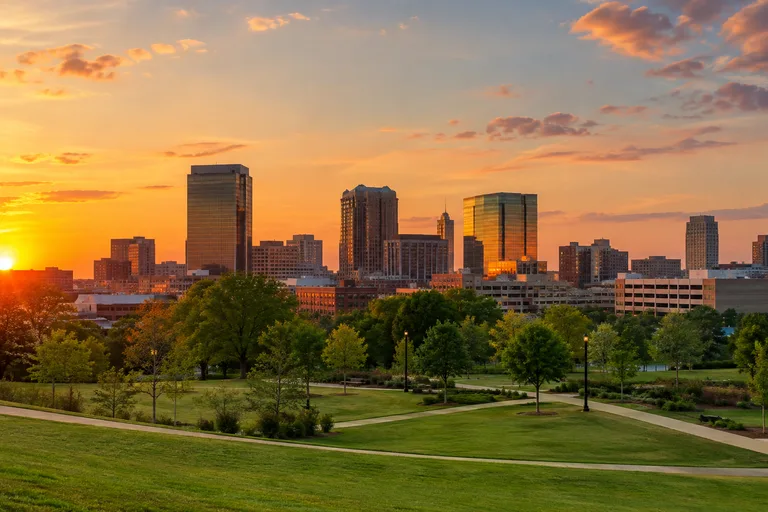
The best things to do in Birmingham, Alabama, start with its civil rights story. See the Birmingham Civil Rights Institute, 16th Street Baptist Church and Kelly Ingram Park. Then add the iron city sights, Vulcan on Red Mountain and Sloss Furnaces, plus free parks, a Saturday farmers market and easy day trips. This guide covers each one with verified contact details, a weekend plan and tips for families and couples. For the rest of the state, see the Alabama travel guide.
Is Birmingham, Alabama Worth Visiting?
Yes. Birmingham lets visitors stand in places where national history changed. In 1963, news images of police dogs set on peaceful protesters in Birmingham went around the world. The city's civil rights sites tell that story with care.
The city also has a second story. Birmingham was founded in 1871 at the crossing of two rail lines. It grew so quickly on iron and steel that it was nicknamed the Magic City, and it was later called the Pittsburgh of the South. Furnaces, a giant iron statue and old ballparks still show that past.
A few quick facts help with planning:
- Size: the Encyclopedia of Alabama lists Birmingham as the state's second most populous city, with about 210,928 people in the 2020 Census. The metro area has about 1.35 million.
- Name: the city was named after Birmingham, England, another center of iron production.
- Region: the Greater Birmingham Convention and Visitors Bureau counts 34 communities in the area, from Homewood and Hoover to Leeds and Bessemer.
- Food: the visitor bureau reports that eleven Birmingham restaurants earned MICHELIN recognition.
Birmingham History in Brief
Knowing the timeline makes each stop more meaningful. These dates sit behind the main sights in this guide.
| Year | What happened | Where to see it |
|---|---|---|
| 1871 | Birmingham is founded where two rail lines cross | Downtown |
| 1882 | The first Sloss blast furnace goes into production | Sloss Furnaces |
| 1904 | Vulcan is cast from Sloss pig iron for the St. Louis World's Fair | Vulcan Park and Museum |
| 1910 | Rickwood Field is built | Rickwood Field |
| 1911 | The present 16th Street Baptist Church is completed | 16th Street Baptist Church |
| 1927 | The Alabama Theatre opens its doors | Alabama Theatre |
| 1937 | Vulcan is assembled on Red Mountain | Vulcan Park and Museum |
| 1963 | The Birmingham Campaign, and the church bombing on September 15 | Civil Rights District |
| 1993 | The Birmingham Civil Rights Institute opens | Civil Rights District |
| 2017 | The Birmingham Civil Rights National Monument is established | Civil Rights District |
The growth was fast. Pig iron output grew more than tenfold from 1880 to 1890, according to the Encyclopedia of Alabama. Downtown, the corner of 20th Street and 1st Avenue North was once nicknamed "The Heaviest Corner on Earth."
Birmingham Attractions at a Glance
Use this table to plan which sights fit a short trip. Prices and hours change, so check each official site before going.
| Attraction | Best for | Cost |
|---|---|---|
| Birmingham Civil Rights Institute | Civil rights history, teens and adults | Ticketed |
| 16th Street Baptist Church tour | Civil rights history | Ticketed tour |
| Vulcan Park and Museum | City views, families | Park grounds free, museum ticketed |
| Sloss Furnaces | Industrial history, photography | Self-guided visits free |
| Birmingham Museum of Art | Art lovers, rainy days | General admission free |
| Birmingham Botanical Gardens | Couples, garden walks | Free |
| Railroad Park | Picnics, skyline views | Free |
| McWane Science Center | Kids, hands-on science | Ticketed |
| Birmingham Zoo | Families | Ticketed |
| Barber Vintage Motorsports Museum | Motorcycle and car fans | Ticketed |
| Red Mountain Park | Hiking, treehouse views | Free |
Birmingham Civil Rights Sites
Start any Birmingham trip here. The Birmingham Civil Rights National Monument was established in 2017. It covers roughly four city blocks downtown, so the main sites sit within walking distance of each other.
A simple order for one morning on foot:
- Birmingham Civil Rights Institute: the full story first, in the galleries.
- Kelly Ingram Park: the statues and a quiet moment outdoors.
- 16th Street Baptist Church: a booked guided tour.
- Alabama Jazz Hall of Fame: a lighter finish in the historic Carver Theatre.
Birmingham Civil Rights Institute
The Birmingham Civil Rights Institute is the anchor of the district. It opened in 1993, is part of the national monument and is an affiliate of the Smithsonian Institution. Its galleries trace the movement in Birmingham and beyond, with permanent exhibits on the Birmingham Campaign alongside traveling shows.
The institute says a self-guided tour of the historic galleries takes about 90 minutes. Its website lists opening days as Tuesday through Saturday, and children below fourth grade are admitted free. Check the official site for current hours and ticket prices before going.
Contact: 520 16th St N, Birmingham, AL 35203. Phone: (205) 328-9696. Web: bcri.org.
16th Street Baptist Church
The congregation began in 1873 as the First Colored Baptist Church of Birmingham, the city's first Black church. It has stood at 16th Street and 6th Avenue North since 1880, and the present building was completed in 1911. On Sunday, September 15, 1963, at 10:22 a.m., a bomb exploded at the church. It killed four young girls attending Sunday School and injured more than 20 other members of the congregation.
The church is still an active congregation. Guided tours run Tuesday through Saturday, starting at 10 a.m., with the last tour at 3 p.m. Plan at least one hour, and book tickets online through the church's tour page. Days can change around church events, so confirm before going.
Contact: 1530 6th Avenue North, Birmingham, AL 35203. Phone: (205) 251-9402. Web: 16thstreetbaptist.org.
Kelly Ingram Park
Kelly Ingram Park is the open-air part of the district. It holds a statue dedicated to the Birmingham foot soldiers of the movement. It also holds a statue honoring the four girls killed in the church bombing. The park is free, and it makes a quiet pause between the institute and the church tour.
The National Monument and the A.G. Gaston Motel
The National Park Service says the monument is free all year, with no entrance fee or pass. Its temporary visitor center is at the Birmingham Civil Rights Institute Commons, at the same address as the institute. The A.G. Gaston Motel is one of the historic sites linked to the monument. The NPS says the 1954 wing of the motel is temporarily closed for renovation, so check before planning around it.
The monument also points visitors to Historic Bethel Baptist Church. During the 1963 Birmingham Campaign, Dr. Martin Luther King Jr. was jailed and wrote his "Letter from Birmingham Jail," according to the Encyclopedia of Alabama.
Contact: 1914 4th Ave North, Suite 440, Birmingham, AL 35203 (mailing address, offices not open to the public). Phone: 205-679-0065. Web: nps.gov/bicr.
Montgomery and Selma hold the next chapters of the story. The Alabama travel guide covers both for a longer trip.
Iron City Landmarks: Vulcan and Sloss Furnaces
Birmingham's industrial past is easy to see, and two of its best sights tell that story. Both are good for families, and both can be visited for free or close to it.
Vulcan Park and Museum
Vulcan, the Roman god of fire and the forge, stands over the city from Red Mountain. The park calls it the world's largest cast iron statue, and the Encyclopedia of Alabama lists it at 56 feet tall. Italian sculptor Giuseppe Moretti designed it for the 1904 World's Fair in St. Louis, and it was cast from local iron.
After the fair, Vulcan moved home. The statue was fully assembled on Red Mountain in May 1937, and Vulcan Park was completed in 1939. The park and museum reopened in 2004 after restoration.
What to do there:
- Observation tower: bird's-eye views over the city from the top of the pedestal.
- Museum: exhibits on the statue and the history of the Birmingham region.
- Park grounds: park-only admission is free, with a walking trail on the mountain.
- Events: the park's calendar has included a July 4 fireworks show, Thunder on the Mountain, and a holiday event in December.
Contact: 1701 Valley View Drive, Birmingham, AL 35209. Phone: 205-933-1409. Web: visitvulcan.com.
Sloss Furnaces National Historic Landmark
Sloss Furnaces is a 32-acre former blast furnace plant that produced iron for nearly a century. Its first two blast furnaces went into production in 1882 and 1883. The visitor bureau calls it the only 20th-century blast furnace in the country preserved and interpreted as a museum.
Visitors can walk among the towers, pipes and old machinery on a free self-guided visit. Guided tours cost a fee. The site is also home to a community of metal-working artists. Donations are welcome.
Sloss is listed in the visitor bureau's guide to free things to do in Birmingham, which has current visiting notes.
Museums in Birmingham
Birmingham's museums suit very different travelers, from art lovers to motorcycle fans. Several are free, which makes them easy to slot into a busy day.
Birmingham Museum of Art
General admission is free. The collection holds more than 24,000 objects from many cultures. Strengths include Asian art, Vietnamese ceramics, Kress Renaissance and Baroque works and the largest Wedgwood collection outside England. The museum is KultureCity certified, with sensory bags and quiet areas for visitors who need them. Its cafe, Junniper, makes lunch easy.
Contact: 2000 Rev Abraham Woods Jr Blvd, Birmingham, AL 35203. Phone: (205) 254-2565. Web: artsbma.org.
McWane Science Center
McWane is the top indoor pick for children. It has four floors of hands-on exhibits and an IMAX Dome Theater. Permanent exhibits include World of Water and Alabama Dinosaurs, and Itty Bitty Magic City is built for the youngest visitors. Ramps and lifts reach every area. Free sensory bags and a sensory room help families with sensory needs. The center's website shows it closed on Mondays and Tuesdays, so check the hours first.
Contact: 200 19th Street N, Birmingham, AL 35203. Phone: (205) 714-8300. Web: mcwane.org.
Barber Vintage Motorsports Museum
The Barber Vintage Motorsports Museum holds more than 1,200 vintage and modern motorcycles and racecars, according to the visitor bureau. About half are on display at any time. It also has a large Lotus car collection. The museum sits next to Barber Motorsports Park, a 2.3-mile road course that hosts the Honda Grand Prix of Alabama. The museum's website lists it open seven days a week, with shorter Sunday hours; check the official site before the drive.
Contact: 6030 Barber Motorsports Parkway, Birmingham, AL 35094. Phone: (205) 699-7275. Web: barbermuseum.org.
Alabama Jazz Hall of Fame
Inside the historic Carver Theatre in the Civil Rights District, the Alabama Jazz Hall of Fame honors musicians with Alabama roots. Exhibits feature names such as Nat King Cole, Sun Ra, Erskine Hawkins and Lionel Hampton. It is a short walk from the Civil Rights Institute.
Negro Southern League Museum
This downtown museum tells the story of Black baseball in America through Birmingham. It holds the largest collection of original Negro Southern League baseball artifacts in the country, plus a research center. The visitor bureau lists admission as free, with a small donation asked of larger groups.
Contact: 120 16th St S, Birmingham, AL 35233. Phone: (205) 581-3040. Web: birminghamnslm.org.
Sensory-Friendly and Accessible Museum Visits
Two of the city's big museums make visits easier for guests with disabilities or sensory needs:
- Birmingham Museum of Art: KultureCity certified, with sensory bags, quiet areas and headphone zones.
- McWane Science Center: ramps and lifts to every area, free sensory bags with headphones and weighted lap pads, and quiet spaces on every floor.
- McWane extras: a first-floor sensory room, free strollers and wheelchairs to borrow while supplies last, and descriptive audio at all IMAX showtimes.
Parks, Gardens and the Outdoors
Birmingham has plenty of green space. The city has a downtown park, a large free botanical garden and two mountain parks with miles of trails.
Railroad Park
Railroad Park is a 19-acre green space downtown, along 1st Avenue South. It is known as Birmingham's Living Room. It has walking paths, grassy hills and skyline views, and it hosts concerts, picnics and exercise classes. The park is free and open 7 a.m. to 11 p.m., every day of the year.
Contact: 1600 1st Ave S, Birmingham, AL 35233. Phone: (205) 521-9933. Web: railroadpark.org.
Birmingham Botanical Gardens
The Birmingham Botanical Gardens cover 67 acres with more than 10,000 plants in 25 themed areas. Admission is free, and the gardens are open from sunrise to sunset daily. Favorite spots include:
- Japanese Gardens: with a traditionally crafted tea house.
- Two rose gardens: a favorite stroll for couples.
- Conservatories and a wildflower garden: indoor and outdoor plant collections.
- Outdoor sculpture: more than 30 pieces around the grounds.
The gardens also hold the largest public horticulture library in the United States, according to the visitor bureau.
Contact: 2612 Lane Park Rd, Birmingham, AL 35223. Phone: (205) 414-3950. Web: bbgardens.org.
Birmingham Zoo
The Birmingham Zoo is one of the state's most popular attractions. The visitor bureau says it houses about 700 animals of 230 species on a 122-acre site. Kids can join giraffe and lorikeet feedings, and the zoo's Trails of Africa area focuses on elephant conservation. Recent arrivals named on the zoo's website include an eastern black rhinoceros and a new axolotl habitat. Opening days vary by season, so check the official site.
Contact: 2630 Cahaba Road, Birmingham, AL 35223. Phone: 205-879-0409. Web: birminghamzoo.com.
Red Mountain Park
Red Mountain Park covers more than 1,500 acres with over 18 miles of hiking and biking trails. There is no parking or admission fee. The highlights are its treehouse lookouts, reached by swinging rope bridges. Haskell Hideaway overlooks Jones Valley, and Rushing Rendezvous looks toward downtown Birmingham. Dog owners can use Remy's Dog Park, a six-acre off-leash area.
The mountain's iron ore built the city. Mining began in earnest in the mid-1800s, the last ore mine closed in 1962, and the park was created in 2007. Two notes before going. The park's zip lines and aerial adventures are closed at this time. Old mining remains line the trails, but every mine opening is closed to the public for safety.
Contact: 2011 Frankfurt Drive, Birmingham, AL 35211 (main entrance). Phone: 205-202-6043 (Jefferson County Greenways Commission). Web: jeffcogreenways.org.
Ruffner Mountain
Ruffner Mountain is a 1,038-acre urban forest with more than 11 miles of mountain trails. The Nature Center has live wildlife ambassadors on display. Parking costs $5 for non-members, paid through the ParkMobile app or at the trailhead. The main lot holds only 56 cars, so arrive early on fine weekends.
Contact: 1214 81st St S, Birmingham, AL 35206. Phone: 205-833-8264 (Jefferson County Greenways Foundation). Web: jeffcogreenways.org.
Food, Markets and Nights Out
Birmingham's food scene is a highlight for couples. The visitor bureau reports that Eater named the city a top 15 dining destination worldwide, and its restaurant directory lists more than 500 places to eat. A farmers market and a historic theater make an easy plan for a weekend.
Pepper Place Saturday Market
Pepper Place Market runs on Saturdays from 7 a.m. to noon, rain or shine. The 2026 season runs from January 31 to December 12. It is a nonprofit, state-certified farmers market that began in the summer of 2000. Chef demonstrations and live music add to the fun on Saturdays.
The market's own website gives no street address, so follow the directions on pepperplacemarket.com.
Where to Find Dinner
The visitor bureau's dining pages are the best place to pick a table. Its filters cover these areas:
- Downtown: the largest group of restaurants close to the main sights.
- Homewood: about five minutes from downtown, with dozens of listings.
- Mountain Brook: three walkable villages near the zoo and gardens.
- Avondale and Crestwood: a neighborhood east of downtown.
Barbecue fans have plenty to choose from, with more than 40 barbecue listings in the directory. Browse the official Birmingham eat and drink guide for current openings.
Alabama Theatre
The Alabama Theatre has hosted performances since 1927. Its calendar mixes classic movie nights, with sing-alongs, costumes and the Mighty Wurlitzer organ, with live concerts and shows. It makes a fine evening for a Birmingham, Alabama weekend.
Contact: 1817 Third Avenue North, Birmingham, AL 35203. Phone: 205-252-2262. Web: alabamatheatre.com.
Where to Stay in Birmingham
For a first visit, stay downtown. The Civil Rights District, Railroad Park, McWane and the Alabama Theatre are all close together there. Families who plan long days at the zoo and gardens may prefer a hotel closer to Lane Park Road and Cahaba Road. The visitor bureau keeps a full list of places to stay.
For cabins and camping, the state parks in the day trips section below have lodging. See the cabin camping guide for tips on booking a park cabin.
Getting to Birmingham and Getting Around
Birmingham is easy to reach by air, rail or car. Once there, a car makes the most sense, because the main sights are spread across the metro area.
| How | What to know |
|---|---|
| By air | Birmingham-Shuttlesworth International Airport (BHM) is about 5 miles from downtown, with direct flights from more than 20 U.S. cities |
| By train | Amtrak's Crescent line runs direct from New Orleans, Atlanta, Charlotte and New York City to the downtown Multimodal Terminal |
| By car | The city sits where Interstates 20, 59 and 65 meet |
| By bus | Greyhound serves the same downtown terminal |
Getting around once in town:
- Magic City Connector: a frequent MAX Transit bus along 20th Street, from the Uptown District to downtown Homewood. Its stops include the Birmingham Museum of Art and Vulcan Park and Museum.
- Rideshare: Uber and Lyft both operate in the city.
- On foot: downtown is walkable. The Civil Rights District, the Jazz Hall of Fame and the Alabama Theatre sit close together.
- By car: plan on a car for the zoo and gardens, Barber and the mountain parks.
The airport's address is 5900 Messer Airport Highway, Birmingham, AL 35212, phone (205) 595-0533, and its website is flybirmingham.com.
Best Time to Visit Birmingham
Spring and fall are the best times for most visitors. Summers are hot, and winters are short and mild. The season notes below come from the city's visitor bureau.
| Season | Weather | Good for |
|---|---|---|
| Spring | Highs in the 70s and 80s, lower humidity than summer | Gardens, hiking, walking tours |
| Summer | Long, hot days, with temperatures in the 90s in July and August | Indoor sights, early morning markets |
| Fall | Cooler temperatures and less humidity | Trails, Vulcan views, outdoor dining |
| Winter | Mild, with lows around 34°F and highs in the low to mid 50s. Snow is rare | Museums, quieter weekends |
In summer, plan outdoor time for the morning and save the afternoon for air-conditioned museums. Pepper Place Market runs most of the year, so a Saturday morning works in almost any season.
Events worth planning around:
- Late January to mid-December: the Pepper Place Saturday market season.
- July 4: Thunder on the Mountain fireworks at Vulcan.
- September: the Southbound Food Festival.
- Late October: the Magic City Classic college football game.
- Early December: Vulcan's holiday event on the mountain.
Dates move from year to year, so confirm each one before booking a trip around it.
A Birmingham, Alabama Weekend Itinerary
This plan fits a Friday night to Sunday afternoon trip. It keeps driving short by grouping sights by area.
- Friday evening: check in downtown, walk Railroad Park at sunset and have dinner nearby.
- Saturday morning: breakfast and browsing at Pepper Place Market, then the Birmingham Civil Rights Institute.
- Saturday afternoon: Kelly Ingram Park and a guided tour of 16th Street Baptist Church, then a late lunch downtown.
- Saturday evening: a show at the Alabama Theatre, if one is on the calendar.
- Sunday morning: Sloss Furnaces, then up Red Mountain to Vulcan for the view.
- Sunday afternoon: the free Botanical Gardens, or the Birmingham Zoo for a trip with kids.
With a third day, add the Barber museum, a hike at Red Mountain Park or a day trip from the list below. Note that the Civil Rights Institute and the church tours do not run on Sundays or Mondays, so keep them for Saturday.
Day Trips from Birmingham, Alabama
Birmingham sits in the middle of Alabama, which makes it a good base. These day trips add mountains, lakes and more history.
Oak Mountain State Park
Oak Mountain State Park, in Pelham, is the big outdoor escape near the city. At 11,861 acres, it is Alabama's largest state park. It has more than 100 miles of trails for hiking, mountain biking and horseback riding, six fishing lakes and two beaches with swimming areas. Families like the Alabama Wildlife Center, and hikers head for Peavine Falls. The park also has an 18-hole golf course, and it is open from 7 a.m. until sunset.
Contact: 200 Terrace Drive, Pelham, AL 35124. Phone: 205-620-2520. Web: alapark.com.
Cheaha State Park
East of Birmingham, Cheaha holds Alabama's highest point, 2,407 feet above sea level. The historic Bald Rock Lodge, built by the Civilian Conservation Corps, has 12 bedrooms. The park also rents rock cabins and A-frame chalets, so it makes a good overnight too. Hikers can link to the Pinhoti Trail and the Cheaha Wilderness nearby. The park charges a small day-use fee; check the official site for the current amount.
Contact: 19644 Hwy 281, Delta, AL 36258. Phone: 256-488-5111. Web: alapark.com.
Huntsville and Montgomery
Two longer day trips work well from Birmingham:
- Huntsville: to the north, home of the U.S. Space and Rocket Center and Space Camp.
- Montgomery: to the south, the state capital, with more civil rights history.
- A longer loop: neighboring Tennessee and Georgia make a Southern road trip.
The Alabama travel guide covers both cities' main sights. For more ideas, browse the day trips page.
Hidden Gems in Birmingham
These spots are less known to first-time visitors but well worth the time:
- Rickwood Field: built in 1910, it calls itself America's oldest baseball park. It is open on weekdays, with free admission and free parking, and self-guided tours are offered. Contact: 1137 2nd Ave W, Birmingham, AL 35204. Phone: (205) 603-3871. Web: rickwood.com.
- Red Mountain treehouses: the free park's treehouse lookouts give views of Jones Valley and downtown, a quiet alternative to the Vulcan tower.
- Moss Rock Preserve in Hoover: 349 acres of forest, trails and boulders. Early risers hike the Orange Trail to the "Top of the World" view for sunrise.
- City Walk BHAM: a 10-block park under the downtown interstate overpass, with a skate park, pickleball courts and a dog park.
- The Wedgwood collection: the Birmingham Museum of Art holds the largest Wedgwood collection outside England, and general admission is free.
- Vulcan's iron roots: the statue was cast from pig iron at Sloss Furnaces, so seeing both on one day links the story.
Insider Tips for Visiting Birmingham
- Book church tours ahead. 16th Street Baptist Church sells tour tickets online, and days can change around church events.
- Do the civil rights sites on one morning. The institute, the park and the church are within a few blocks, so park once and walk.
- Mind the closed days. The Civil Rights Institute lists Sunday and Monday as closed days, and McWane lists Monday and Tuesday.
- Prepare younger children. The civil rights exhibits deal with violence, including the 1963 church bombing. Parents may want to talk through the topics before the visit.
- Go to Vulcan near sunset. The tower view over downtown is at its best in the late light, and the park lists evening hours.
- Use the free list. Railroad Park, the Botanical Gardens, the Museum of Art, Sloss self-guided visits and Red Mountain Park cost nothing.
- Get to Pepper Place early. The market starts at 7 a.m. and ends at noon.
- Pack for heat. July and August bring temperatures in the 90s, so carry water on trails.
- Check status notes. The A.G. Gaston Motel's 1954 wing and Red Mountain's zip lines were closed at the time of writing.
Frequently Asked Questions
What is Birmingham, Alabama best known for?
Birmingham is best known for its civil rights history, including the 1963 Birmingham Campaign and the 16th Street Baptist Church. It is also known for its iron and steel past, which visitors can see at Sloss Furnaces and the Vulcan statue on Red Mountain.
How much time do you need at the Birmingham Civil Rights Institute?
The institute says a self-guided tour of its historic galleries takes about 90 minutes. Add time for Kelly Ingram Park and a guided tour of 16th Street Baptist Church, which the church says takes at least one hour. Together they fill a morning. Check the institute's website for current hours and tickets.
Is Birmingham worth visiting for a weekend?
Yes. Two days covers the Civil Rights District, Vulcan, Sloss Furnaces, Railroad Park and a Saturday morning at Pepper Place Market. A third day adds a day trip to Oak Mountain State Park or Cheaha State Park.
What are the best free things to do in Birmingham?
Free picks include Railroad Park, the Birmingham Botanical Gardens and general admission at the Birmingham Museum of Art. The Vulcan park grounds, self-guided visits to Sloss Furnaces, Rickwood Field, the Negro Southern League Museum and Red Mountain Park are free too.
What are the best day trips from Birmingham, Alabama?
Oak Mountain State Park in Pelham is Alabama's largest state park. Cheaha State Park holds the state's highest point at 2,407 feet above sea level. Huntsville, home of the U.S. Space and Rocket Center, and Montgomery also work as longer day trips.
When is the best time to visit Birmingham?
Spring and fall are the most comfortable seasons. The city's visitor bureau lists spring highs in the 70s and 80s, cooler and less humid fall days, and summer temperatures in the 90s in July and August. Pepper Place Market runs on Saturdays for most of the year.
Is Birmingham the largest city in Alabama?
No. The Encyclopedia of Alabama lists Birmingham as the state's second most populous city. Its metro area is the state's largest commercial center, and its airport is the state's largest and busiest.
Why is Birmingham called the Magic City?
Birmingham was founded in 1871 at the crossing of two rail lines. It grew so fast on iron and steel that it earned the nickname Magic City.
Is Birmingham good for kids?
Yes. McWane Science Center has four floors of hands-on exhibits and an IMAX Dome. The Birmingham Zoo has about 700 animals, and Railroad Park and the Botanical Gardens are free places to let children run.
Planning your next U.S. getaway? Explore more destination guides, road trips, and travel tips at Vacation Getaways US. Have a question or a spot we should cover? Email us at [email protected].